En savoir plus
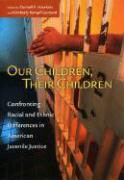
Klappentext In "Our Children, Their Children, "a prominent team of researchers argues that a second-rate and increasingly punitive juvenile justice system is allowed to persist because most people believe it is designed for children in other ethnic and socioeconomic groups. While public opinion, laws, and social policies that convey distinctions between "our children" and "their children" may seem to conflict with the American ideal of blind justice, they are hardly at odds with patterns of group differentiation and inequality that have characterized much of American history. "Our Children, Their Children" provides a state-of-the-science examination of racial and ethnic disparities in the offending and processing of youths within the American juvenile justice system. Here, contributors document the precise magnitude of these disparities, seek to determine their causes, and propose potential solutions. This collection assesses the implications of these differences for evaluating the impact of public policy initiatives and legal reforms that have been implemented or proposed over the last several decades. In addition to race and ethnicity, contributors also look at the effects on juvenile justice of suburban sprawl, the impact of family and neighborhood, bias in postarrest decisions, and mental health issues. Offering the first critical summary of what is known and unknown in this important area of social research, "Our Children, Their Children" will prove an invaluable resource for any policy maker, social worker, educator, attorney, counselor, or other type of worker affiliated with the juvenile justice system. Zusammenfassung In this book, researchers argue that a second-rate and increasingly punitive juvenile justice system is allowed to persist since many believe it is designed for children in other ethnic and socioeconomic groups. Contributors look at the effects on juvenile justice of suburban sprawl.