

Fr. 60.50
Gangemi, G. T. Gangemi, G.T. Gangemi, Sr. G. Gangemi, Sr. G. T. Gangemi, Lehtine...
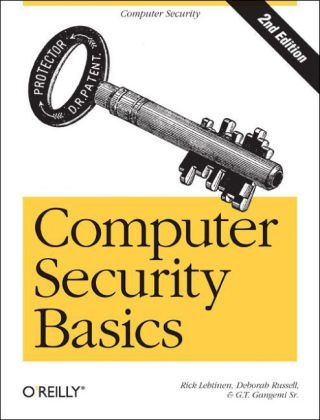
Computer Security Basics
Englisch · Taschenbuch
Versand in der Regel in 3 bis 5 Wochen
Beschreibung
This is the must-have book for a must-know field. Today, general security knowledge is mandatory, and, if you who need to understand the fundamentals, Computer Security Basics 2nd Edition is the book to consult.The new edition builds on the well-established principles developed in the original edition and thoroughly updates that core knowledge. For anyone involved with computer security, including security administrators, system administrators, developers, and IT managers, Computer Security Basics 2nd Edition offers a clear overview of the security concepts you need to know, including access controls, malicious software, security policy, cryptography, biometrics, as well as government regulations and standards.This handbook describes complicated concepts such as trusted systems, encryption, and mandatory access control in simple terms. It tells you what you need to know to understand the basics of computer security, and it will help you persuade your employees to practice safe computing.
Inhaltsverzeichnis
Preface
Part I. Security for Today
1. Introduction
The New Insecurity
What Is Computer Security?
Threats to Security
Why Buy Security?
What's a User to Do?
2. Some Security History
Information and Its Controls
Computer Security: Then and Now
Early Computer Security Efforts
Building Toward Standardization
Computer Security Mandates and Legislation
Part II. Computer Security
3. Computer System Security and Access Controls
What Makes a System Secure?
System Access: Logging into Your System
4. Viruses and Other Wildlife
Financial Effects of Malicious Programs
Viruses and Public Health
Viruses, Worms, and Trojans (Oh, My!)
Who Writes Viruses?
Remedies
The Virus Hype
An Ounce of Prevention
5. Establishing and Maintaining a Security Policy
Administrative Security
Overall Planning and Administration
Day-to-Day Administration
Separation of Duties
6. Web Attacks and Internet Vulnerabilities
About the Internet
What Are the Network Protocols?
The Fragile Web
Part III. Communications Security
7. Encryption
Some History
What Is Encryption?
The Data Encryption Standard
Other Cryptographic Algorithms
Message Authentication
Government Cryptographic Programs
Cryptographic Export Restrictions
8. Communications and Network Security
What Makes Communication Secure?
Modems
Networks
Network Security
Part IV. Other Types of Security
9. Physical Security and Biometrics
Physical Security
Locks and Keys: Old and New
Biometrics
Gentle Reminder
10. Wireless Network Security
How We Got Here
Today's Wireless Infrastructure
How Wireless Works
Playing the Fields
What Is This dB Stuff?
Why Does All This Matter?
Encouraging Diversity
Physical Layer Wireless Attacks
Part V. Appendixes
A. OSI Model
B. TEMPEST
C. The Orange Book, FIPS PUBS, and the Common Criteria
Index
Über den Autor / die Autorin
Zusammenfassung
For anyone involved with computer security, including security administrators, system administrators, developers, and IT managers, this book offers an overview of the security concepts you need to know, including access controls, malicious software, security policy, cryptography, biometrics, as well as government regulations and standards.
Produktdetails
| Autoren | Gangemi, G. T. Gangemi, G.T. Gangemi, Sr. G. Gangemi, Sr. G. T. Gangemi, Lehtine, R. Lehtinen, Rick Lehtinen, Russel, Deborah Russell |
| Verlag | O'Reilly Media |
| Sprache | Englisch |
| Produktform | Taschenbuch |
| Erschienen | 01.01.2006 |
| EAN | 9780596006693 |
| ISBN | 978-0-596-00669-3 |
| Seiten | 296 |
| Gewicht | 505 g |
| Illustration | w. figs. |
| Serie |
O'Reilly Ser. |
| Themen |
Naturwissenschaften, Medizin, Informatik, Technik
> Informatik, EDV
> Informatik
Virus, Worms, honey pots, malicious software |
Kundenrezensionen
Zu diesem Artikel wurden noch keine Rezensionen verfasst. Schreibe die erste Bewertung und sei anderen Benutzern bei der Kaufentscheidung behilflich.
Schreibe eine Rezension
Top oder Flop? Schreibe deine eigene Rezension.