

Fr. 23.30
Tom Hanlon
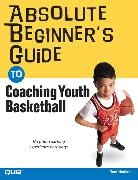
Absolute Beginner's Guide to Coaching Youth Basketball
Englisch · Taschenbuch
Versand in der Regel in 3 bis 5 Wochen
Beschreibung
As a parent, it is a proud day when your child joins his or her first sports team. It is important to you to be involved, which may be leading you to think about coaching. Nervous about the possibility? Don't be! With the Absolute Beginner's Guide to Coaching Youth Basketball, you will quickly and easily learn how to become a successful youth basketball coach. This comprehensive, user-friendly reference guide will help you create a fun and effective learning environment. You have limited practice time and resources, and you need to know how to make the best of them. With this book, you will cover several key concepts that often elude rookie coaches, including:
- Identifying your role and expectations as a coach.
- Tailoring instruction to meet the varying physical abilities of different age groups.
- Creating a safe playing environment.
- Knowing how to effectively coach during both practices and games.
- Learning how to communicate and form alliances with parents, league administrators, game officials and players.
Inhaltsverzeichnis
Absolute Beginner's Guide to Coaching Youth Basketball.
Table of Contents.
Introduction.
How This Book Is Organized.
Special Elements.
I. COACHING BASICS.
1. Your Coaching Approach.
Your Coaching Philosophy
Physical Development
Mental Development
Emotional Development
Social Development
Some Final Thoughts on Your Coaching Philosophy
10 Attributes of a Good Coach
Take Your Role Seriously
Be Comfortable with Being in Charge
Be Dependable and Stable
Be Patient
Be Flexible
Enjoy Getting to Know Your Players
Desire to Help Kids Learn and Grow
Be an Encourager
Be Willing to Learn
Have a Sense of Humor
10 Keys to Being a Good Coach
Know the Basics of the Sport
Plan for Your Season and Practices
Conduct Effective Practices
Teach Skills and Tactics
Correct Players in a Way That Helps Them Improve
Teach and Model Good Sporting Behavior
Provide for Players' Safety
Communicate Effectively
Coach Effectively During Games
Know What Success Is
Final Thoughts on the Keys to Being a Good Coach
What to Expect As a Coach
What Is Expected of You As a Coach
Equipment and Insurance
Last, But Not Least: Why Kids Play Basketball
2. Rules of the Game.
Basic Youth Basketball Rules
Court, Equipment, and Time
Players
Scoring
Fouls
Violations
How the Game Is Played
Terms
Signals
Keep on Learning
Teaching Rules to Your Players
Situational Plays
Scrimmages
Brief Discussions
Players' Experiences
3. Communication Keys.
10 Keys to Being a Good Communicator
Know Your Message
Make Sure You Are Understood
Deliver Your Message in the Proper Context
Use Appropriate Emotions and Tones
Adopt a Healthy Communication Style
Be Receptive
Provide Helpful Feedback
Be a Good Nonverbal Communicator
Be Consistent
Be Positive
Communicating with Parents
Preseason Meeting or Letter
Preseason Call
During the Season
Be Understanding-and Set Boundaries
Challenging Situations
Communicating with League Administrators
League Information
Coaches' Meetings and Clinics
Questions and Concerns
Communicating with Opponents and Referees
4. Safety Principles.
Communicating the Inherent Risks
Being Prepared
CPR/First Aid Training
Chronic Health Condition Awareness
First Aid Kit
Providing Proper Supervision
Plan Your Practices
Inspect the Court and Equipment
Provide Proper Instruction
Supervise Each Activity
Responding to Minor Injuries
Cuts and Scrapes
Bruises
Sprains and Strains
Responding to Emergency Situations
Heatstroke
Heat Exhaustion
5. Practice Plans.
Planning Your Season
Purpose
Tactics and Skills
Rules
Adjusting Your Season Plan
Sample Season Plan
Planning Practices
The Best Option: Simultaneous Stations
Player Safety
Coaching Instruction and Feedback
Sample Practice Plan
Conducting Your First Practice
12 Keys to Conducting Effective Practices
1. Be Prepared
2. Set the Stage
3. Involve Parents
4. Be Active
5. Be Active with a Purpose
6. Make It Fun
7. Provide Instruction
8. Give Feedback
9. Be Encouraging and Supportive
10. Promote Teamwork and Camaraderie
11. Discipline Players As Necessary
12. Wrap Up the Practice
6. Player Development.
The Process for Teaching Skills and Tactics
Set the Stage
Show and Tell
Practice the Skill
Provide Feedback
Six Keys to Mistake Correction
Be Encouraging
Be Honest
Be Specific
Reinforce Correct Technique
Explain Why the Mistake Happened
Watch for Comprehension
7. Game Time!
The Practice Before the Game
Game Particulars
Game Focus
Before the Game
Team Warm-up
Starting Lineups
Last-Minute Words
During the Game
Your Approach to the Game
Player Substitutions
Appropriate Behavior
After the Game
Team Meeting
8. Ingredients of a Successful Season.
A Tale of Two Coaches
Evaluating Your Season
Did Your Players Have Fun?
Did Your Players Learn New Skills and Improve on Previously Learned Skills?
Did You Help Your Players Understand the Game and Its Rules?
Did You Communicate Appropriately and Effectively?
Did You Provide for Your Players' Safety?
Did You Plan and Conduct Effective Practices?
Did Your Players Give Maximum Effort in Practices and Games?
Did Your Players Leave the Games on the Court?
Did You Leave the Games on the Court?
Did You Conduct Yourself Appropriately?
Did You Communicate Effectively with Parents and Involve Them in Positive Ways?
Did You Coach Appropriately During Games?
Did You Win with Class and Lose with Dignity?
Did You Make the Experience Positive, Meaningful, and Fun for Your Players?
II. SKILLS AND TACTICS.
9. Offensive Skills and Tactics.
Triple-threat Stance
Footwork
Pivot
Cut
Jump Stop
Stride Stop
Jab Step
Rocker Step
Dribbling
Control Dribble
Speed Dribble
Crossover Dribble
Spin Dribble
Half-spin Dribble
Passing and Catching
Bounce Pass
Chest Pass
Overhead Pass
Baseball Pass
Catching
Shooting
Outside Shot
Layup
Free Throw
Rebounding
Initial Positioning
Blocking Out
Knowing Where the Ball Is Going
Hustling
Controlling the Ball
Passing Game
Screens
Fast Break
Basic Plays
Pick-and-Roll
Give-and-Go
Inbounds Plays
10. Defensive Skills and Tactics.
Defensive Concepts
#1: Get Back Quick!
#2: Apply Pressure
#3: Cut off Passing Lanes
#4: Deny the Ball Down Low
#5: Don't Commit Unnecessary Fouls
#6: Provide Help
#7: Communicate!
Individual Defensive Skills
Maintain Good Positioning
Use a Slide Step
Get Hands up on Shots
Go for the Steal
Box Out to Rebound
Team Defensive Tactics
Defend Against Screens
Double-team When Appropriate
Use a Full-court Press
Use a Player-to-Player Defense
Use a Zone Defense
11. Games and Drills.
Dribbling Games
Game One
Game Two
Game Three
Passing Games
Game One
Game Two
Shooting Games
Game One
Game Two
Rebounding Games
Game One
Game Two
Various Offensive Skill Games
Game One
Game Two
Game Three
Fast Break Games
Game One
Game Two
Special Plays Games
Game One
Game Two
Game Three
Individual Defensive Skill Games
Game One
Game Two
Game Three
Team Defensive Skill Games
Game One
Game Two
Game Three
III. APPENDIXES.
A. Sample Letter to Parents.
B. Medical Emergency Form.
C. Injury Report.
D. Season Plan.
E. Practice Plan.
F. Season Evaluation Form.
1. Did Your Players Have Fun?
2. -Did Your Players Learn New Skills and Improve on Previously Learned Skills?
3. -Did You Help Your Players Understand the Game and Its Rules?
4. -Did You Communicate Appropriately and Effectively?
5. Did You Provide for Your Players' Safety?
6. Did You Plan and Conduct Effective Practices?
7. -Did Your Players Give Maximum Effort in Practices and Games?
8. Did Your Players Leave the Games at the Gym?
9. Did You Leave the Games at the Gym?
10. Did You Conduct Yourself Appropriately?
11. -Did You Communicate Effectively with Parents and Involve Them in Positive Ways?
12. Did You Coach Appropriately During Games?
13. -Did You Win with Class and Lose with Dignity?
14. -Did You Make the Experience Positive, Meaningful, and Fun for Your Players?
Index.
Über den Autor / die Autorin
Tom Hanlon has 19 years of professional writing experience - as a journalist, an editor of two coaching magazines, a curriculum writer for a coaching division of a publishing company, and as a book writer and ghost writer for nationally-prominent authors. Tom ghostwrote Teens Can Make It Happen (Simon and Schuster) for Stedman Graham; this book made the New York Times bestseller list in 2000. He has written all or major portions of 39 other books, including seven sport officiating guides, numerous coaches' guides (including baseball; softball; soccer; basketball; and volleyball, among others), and a wide assortment of related sports titles.
Zusammenfassung
Helps you learn how to become a successful youth basketball coach. This guide covers several key concepts that often elude rookie coaches, including: identifying your role and expectations as a coach; tailoring instruction to meet the varying physical abilities of different age groups; creating a safe playing environment; and more.
Produktdetails
| Autoren | Tom Hanlon |
| Verlag | Pearson Academic |
| Sprache | Englisch |
| Produktform | Taschenbuch |
| Erschienen | 01.01.2005 |
| EAN | 9780789733580 |
| ISBN | 978-0-7897-3358-0 |
| Seiten | 264 |
| Gewicht | 430 g |
| Serien |
Que Absolute Beginner's Guides (Qu Que |
| Thema |
Ratgeber
> Gesundheit
> Fitness, Aerobic, Bodybuilding, Gymnastik
|
Kundenrezensionen
Zu diesem Artikel wurden noch keine Rezensionen verfasst. Schreibe die erste Bewertung und sei anderen Benutzern bei der Kaufentscheidung behilflich.
Schreibe eine Rezension
Top oder Flop? Schreibe deine eigene Rezension.