Mehr lesen
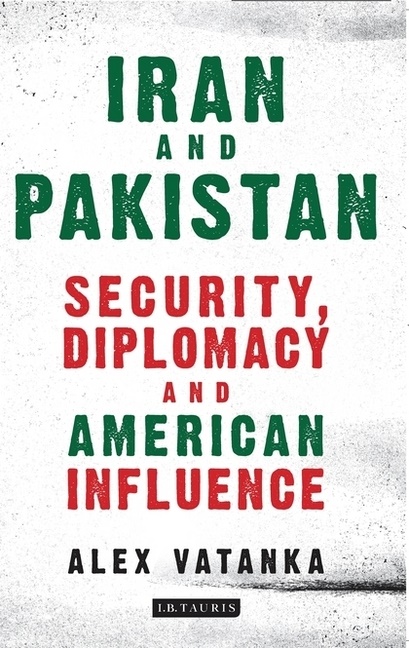
The respective policies of the governments of Iran and Pakistan pose serious challenges to US interests in the Middle East, Asia, and beyond. These two regional powers, with a combined population of around 300 million, have been historically intertwined in various cultural, religious, and political ways. Iran was the first country to recognize the emerging independent state of Pakistan in 1947 and the Shah of Iran was the first head of state to visit the new nation. While this relationship shifted following the 1979 Iranian Revolution, and tensions do exist between Sunni Pakistan and Shi'i Iran, there has nevertheless been a history of cooperation between the two countries in fields that are of great strategic interest to the US: Afghanistan, nuclear proliferation, and terrorism. Yet much of this history of cooperation, conflict, and ongoing interactions remains unexplored. Alex Vatanka here presents the first comprehensive analysis of this long-standing and complex relationship.
Inhaltsverzeichnis
Acknowledgements
Preface to the New Paperback Edition
Introduction
1. On the Road to India: Iran's and Pakistan's Intertwined History
2. 1947-1958: Early Hiccups, as Iran and Pakistan Both Look to the US for Protection
3. 1958-1965: Regional Turbulence and an Unlikely Union
4. 1965-1969: The Northern Tier: A Fluid Fault Line
5. 1969-71: Iran's Intervention over the Pakistani Defeat of 1971
6. 1971-77: The Shah and Pakistan's Reluctant Dependence
7. 1977-1988: Zia, the Shah and the Coming of the Ayatollah
8. The Arrival of the Shi'a-Sunni Schism in Relations
9. 1988-2001: Geopolitical Foes, Sometime Partners
10. 2001-Present: Afghanistan, the Arab Challenge and Iran's Soft Power in Pakistan
Epilogue
Notes
Bibliography
Über den Autor / die Autorin
Alex Vatanka is a Senior Fellow at the Middle East Institute and Jamestown Foundation in Washington D.C. A specialist in Middle Eastern geopolitics with a focus on Iran, he was previously the Senior Middle East Analyst at Jane s defense and security group in London."
Zusammenfassung
The respective policies of the governments of Iran and Pakistan pose serious challenges to US interests in the Middle East, Asia, and beyond. These two regional powers, with a combined population of around 300 million, have been historically intertwined in various cultural, religious, and political ways. Iran was the first country to recognize the emerging independent state of Pakistan in 1947 and the Shah of Iran was the first head of state to visit the new nation. While this relationship shifted following the 1979 Iranian Revolution, and tensions do exist between Sunni Pakistan and Shi'i Iran, there has nevertheless been a history of cooperation between the two countries in fields that are of great strategic interest to the US: Afghanistan, nuclear proliferation, and terrorism. Yet much of this history of cooperation, conflict, and ongoing interactions remains unexplored. Alex Vatanka here presents the first comprehensive analysis of this long-standing and complex relationship.
Vorwort
The respective policies of the governments of Iran and Pakistan pose serious challenges to US interests in the Middle East – this is the first and definitive history of this relationship.