Ulteriori informazioni
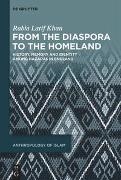
Historically, Hazaras were a marginalised ethnic and religious community in Afghanistan. They were perceived as the 'labourer class' in the country for many decades. In turn they were at the bottom of the country's social hierarchy. However, since the 1990s and early 2000s, Hazaras have made great strides in various fields.
After the fall of the first Taliban regime in 2001, Hazaras gained greater visibility in Afghanistan. This shift in the community's circumstances, predicated on educational success and an active civil society significantly impacted self-perceptions within the community, moving away from marginality and towards continued success. Thus shifting internal perceptions of Hazara identity and what it means to be Hazara in the present. The internalised negativity associated with being Hazara in the past has diminished, and there is now growing community confidence, political mobilisation and ethnic consciousness among transnational Hazaras.
As a result, Hazara identity has shifted from being perceived as a marginalised identity to an identity which is now positively affirmed and proclaimed within the community, globally. This shift within the community, which has tremendously impacted Hazara ethnic consciousness, is the focus of this book.
Info autore
Dr Rabia Latif Khan
holds a PhD from SOAS University of London. Her doctoral research focused on Hazara ethnic consciousness. She is actively engaged in advocacy work and serves on the advisory council of the Hazara Resource Platform.
Riassunto
Historically, Hazaras were a marginalised ethnic and religious community in Afghanistan. They were perceived as the 'labourer class' in the country for many decades. In turn they were at the bottom of the country’s social hierarchy. However, since the 1990s and early 2000s, Hazaras have made great strides in various fields.
After the fall of the first Taliban regime in 2001, Hazaras gained greater visibility in Afghanistan. This shift in the community’s circumstances, predicated on educational success and an active civil society significantly impacted self-perceptions within the community, moving away from marginality and towards continued success. Thus shifting internal perceptions of Hazara identity and what it means to be Hazara in the present. The internalised negativity associated with being Hazara in the past has diminished, and there is now growing community confidence, political mobilisation and ethnic consciousness among transnational Hazaras.
As a result, Hazara identity has shifted from being perceived as a marginalised identity to an identity which is now positively affirmed and proclaimed within the community, globally. This shift within the community, which has tremendously impacted Hazara ethnic consciousness, is the focus of this book.