Ulteriori informazioni
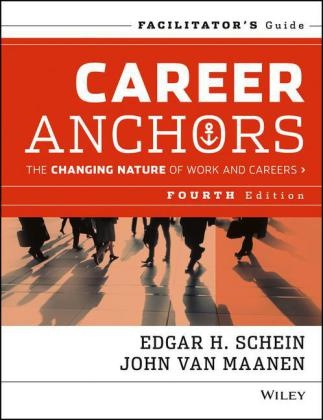
Klappentext The Career Anchors instrument is designed to help clients identify their anchors and to think about how their values relate to their career choices. While this model has stood the test of time, there are many changing factors in the market that require a fresh look at the content. This new edition of a classic career development tool provides readers with updated coverage and data that reflects the current world of work and looks at how people think of their careers and the qualities they haven't considered or simply take for granted. Inhaltsverzeichnis Introduction 1How to Use the Career Anchors Self-Assessment Survey 5How to Use the Participant Workbook 7Option 1: Individual Career Counseling or Coaching 7Option 2: Use the Self-Assessment and the Workbook in a Group Setting 8Option 3: Use the Role Map to Analyze a Selected Job 11Option 4: Use the Work Career and Family/Life Priority Grid in a Group Setting 14Option 5: Use the Career Development Implications to Identify Personal Growth Needs 16How Managers Should Use the Survey and the Workbook 17How Managers Should Use Role Mapping in Succession Planning 19Workshop Designs and Topics 25Half-Day Career Anchor Workshop 25Two-Hour Career Anchor Workshop 29Development Planning 31Implications and Conclusions 33References and Additional Reading 35About the Authors 3
Sommario
Introduction 1How to Use the Career Anchors Self-Assessment Survey 5How to Use the Participant Workbook 7Option 1: Individual Career Counseling or Coaching 7Option 2: Use the Self-Assessment and the Workbook in a Group Setting 8Option 3: Use the Role Map to Analyze a Selected Job 11Option 4: Use the Work Career and Family/Life Priority Grid in a Group Setting 14Option 5: Use the Career Development Implications to Identify Personal Growth Needs 16How Managers Should Use the Survey and the Workbook 17How Managers Should Use Role Mapping in Succession Planning 19Workshop Designs and Topics 25Half-Day Career Anchor Workshop 25Two-Hour Career Anchor Workshop 29Development Planning 31Implications and Conclusions 33References and Additional Reading 35About the Authors 3