Read more
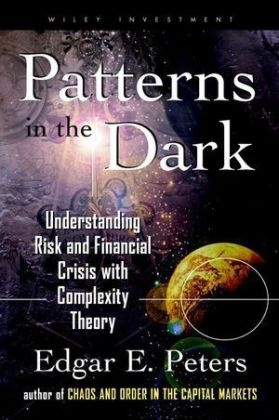
Informationen zum Autor EDGAR E. PETERS is Chief Investment Strategist for PanAgora Asset Management. He is the author of Chaos and Order in the Capital Markets: A New View of Cycles, Prices, and Market Volatility and Fractal Market Analysis: Applying Chaos Theory to Investment and Economics, both published by Wiley. Klappentext Die Komplexitätstheorie lehrt uns, daß Prozesse mit einer großen Anzahl scheinbar unabhängiger Agenten, wie z.B. freie Märkte, sich spontan in einem kohärenten System organisieren können. Die Vorläufertitel 'Chaos' und 'Fractals' vom gleichen Autor behandelten jeweils nur einen Teil der Komplexitätstheorie. Erst kürzlich fand dieses Thema auf neue und innovative Weise in der Finanzwelt Anwendung. Dieses Buch erklärt die Komplexitätstheorie anhand von praktischen Beispielen aus der Finanzwelt und anderen Branchen. Hier erfahren Sie, inwiefern Komplexität und Zufall zum Teil auf die Finanzmärkte anwendbar sind und auch angewendet werden müssen. (10/99) Zusammenfassung Die Komplexitätstheorie lehrt uns, daß Prozesse mit einer großen Anzahl scheinbar unabhängiger Agenten, wie z.B. freie Märkte, sich spontan in einem kohärenten System organisieren können. Die Vorläufertitel 'Chaos' und 'Fractals' vom gleichen Autor behandelten jeweils nur einen Teil der Komplexitätstheorie. Erst kürzlich fand dieses Thema auf neue und innovative Weise in der Finanzwelt Anwendung. Dieses Buch erklärt die Komplexitätstheorie anhand von praktischen Beispielen aus der Finanzwelt und anderen Branchen. Hier erfahren Sie, inwiefern Komplexität und Zufall zum Teil auf die Finanzmärkte anwendbar sind und auch angewendet werden müssen. (10/99) Inhaltsverzeichnis Introduction: Life, Risk, and Uncertainty. UNCERTAINTY, COMPLEXITY, AND SPONTANEOUS ORGANIZATION. Imposing Order: Conspiracies and the Mathematics of Ignorance. Uncertainty, Vagueness, and Ambiguity: The Need for Information. Complexity and Time: The Dynamics of Uncertainty. FREE MARKETS AND THE NEED FOR UNCERTAINTY. Subjectivism: "The Economics of Time and Ignorance." Diversity and Knowledge. Crisis and Competition: Creative Destruction in Free Markets. Economic Evolution: Change in Real Time. Creativity: Uncertainty, Innovation, and Entrepreneurs. Rules and Law: Limits in Complexity. Degrees of Order: Balancing Rules, Freedom, and Uncertainty. The Need for Uncertainty. References. Index....
List of contents
Introduction: Life, Risk, and Uncertainty.
UNCERTAINTY, COMPLEXITY, AND SPONTANEOUS ORGANIZATION.
Imposing Order: Conspiracies and the Mathematics of Ignorance.
Uncertainty, Vagueness, and Ambiguity: The Need for Information.
Complexity and Time: The Dynamics of Uncertainty.
FREE MARKETS AND THE NEED FOR UNCERTAINTY.
Subjectivism: "The Economics of Time and Ignorance."
Diversity and Knowledge.
Crisis and Competition: Creative Destruction in Free Markets.
Economic Evolution: Change in Real Time.
Creativity: Uncertainty, Innovation, and Entrepreneurs.
Rules and Law: Limits in Complexity.
Degrees of Order: Balancing Rules, Freedom, and Uncertainty.
The Need for Uncertainty.
References.
Index.
Report
Edgar E. Peters's latest book, Patterns in the Dark: Understanding Risk and Financial Crisis with Complexity Theory is not merely an autobiographical indulgence. The bulk of the book is Peters's lucent analysis expounding on the need for uncertainty. Whether he uses the example of genetic algorithms to show how randomness can lead a process to a goal even when the ultimate path is unknown, or if he simply shows how David Bowie's creation of Ziggie Stardust illustrates the integration of two seemingly contrary elements in the creative process (with a nod toward uncertainty as a requirement for stability), Peters's always seems to provide compelling insight into how global structure and local randomness interact.
Edgar E. Peters's latest book, Patterns in the Dark: Understanding Risk and Financial Crisis with Complexity Theory is not merely an autobiographical indulgence. The bulk of the book is Peters's lucent analysis expounding on the need for uncertainty. Whether he uses the example of genetic algorithms to show how randomness can lead a process to a goal even when the ultimate path is unknown, or if he simply shows how David Bowie's creation of Ziggie Stardust illustrates the integration of two seemingly contrary elements in the creative process (with a nod toward uncertainty as a requirement for stability), Peters's always seems to provide compelling insight into how global structure and local randomness interact.
Ultimately, the book's implications for "global structure" policymakers are more clear than any prescriptions that might be handed down to individual investors acting in an environment of local randomness. However, the discussions regarding various process models and their implications for economic activity are worth the price of admission alone. Interested investors ought to check it out.--("Fool On The Hill - An Investment Opinion" by Alex Schay - June 1999)