Read more
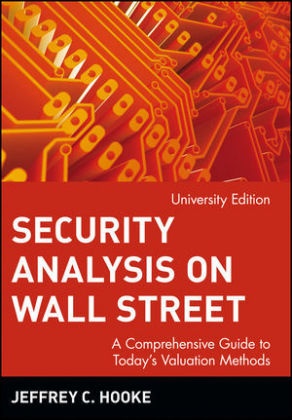
Informationen zum Autor JEFFREY C. HOOKE is a Managing Director at Hooke Associates, LLC, a valuation firm, and FOCUS, LLC, an investment bank. He was formerly director of Emerging Markets Partnership, a $5 billion fund focusing on emerging markets,, principal investment officer of the World Bank Group, and an investment banker with Lehman Brothers and Schroder Wertheim. Hooke is also the author of M&A: A Practical Guide to Doing the Deal and Emerging Markets: A Practical Guide for Corporations, Lenders, and Investors, both from Wiley. Visit www.wiley.com/go/hooke Klappentext Jeder Aktienkauf oder -verkauf sollte auf einer rationalen Analyse des Anlagewertes beruhen. 'Security Analysis on Wall Street' behandelt die Grundlagen für jede Analyse anhand modernster Methoden. Diese für den Lehrbuchbereich aktualisierte Auflage enthält pro Kapitel einen Fragen-Antwort-Komplex, mit dem der Lernende seinen Wissensstand leicht testen kann. Der Autor gilt als absoluter Experte auf diesem Gebiet. Er ist Direktor der Emerging Markets Partnership, einem privatfinanzierten 4 Milliarden Dollar Aktienfonds, der sich auf Anlagen im Bereich Emerging Markets spezialisiert hat. (10/99) Zusammenfassung Any purchase or sale of a stock should be based on a rational analysis of investment values. This text provides the framework needed for any analysis using up-to-date methods. It is aimed at the college market, and includes questions and answers in each chapter. Inhaltsverzeichnis Introduction Part I The Investing Environment 1 Why Analyze a Security? 2 Who Is Practicing Security Analysis? 3 Seeking a Level Playing Field 4 Other Sources of Information Part II Performing the Analysis and Writing the Research Report 5 Starting the Analysis 6 Industry Analysis 7 Company-Specific Analysis 8 Financial Statement Analysis of an Established Business 9 The Limitations of Accounting Data 10 Financial Analysis and Stock Characterization 11 Financial Projection Pointers Part III Valuation and the Investment Decision 12 Modern Approaches to Valuation 13 The Relative Value Approach 14 Valuing Marginal Performers 15 The Mergers and Acquisitions Market, Leveraged Buyouts, and Takeovers 16 Breakup Analysis 17 Recommended Investment Decision Part IV Special Cases 18 Cash Flow Stocks 19 Natural Resource Stocks 20 Financial Industry Stocks 21 Insurance Companies 22 Highly Speculative Stocks 23 Distressed Securities and Turnarounds 24 International Stocks 25 Emerging Markets: The Final Frontier Part V Summary 26 Closing Thoughts on Security Analysis Index...
List of contents
Introduction
Part I: The Investing Environment
Chapter 1: Why Analyze a Security?
Chapter 2: Who is Practicing Security Analysis?
Chapter 3: Seeking a Level Playing Field
Chapter 4: Other Sources of Information
Part II: Performing the Analysis and Writing the Research Report
Chapter 5: Starting the Analysis
Chapter 6: Industry Analysis
Chapter 7: Company-Specific Analysis
Chapter 8: Financial Statement Analysis of an Established Business
Chapter 9: The Limitations of Accounting Data
Chapter 10: Financial Analysis and Stock Characterization
Chapter 11: Financial Projection Pointers
Part III: Valuation and the Investment Decision
Chapter 12: Modern Approaches to Valuation
Chapter 13: The Relative Value Approach
Chapter 14: Valuing Marginal Performers
Chapter 15: The Mergers and Acquisitions Market, Leveraged Buyouts, and Takeovers
Chapter 16: Breakup Analysis
Chapter 17: Recommended Investment Decision
Part IV: Special Cases
Chapter 18: Cash Flow Stocks
Chapter 19: Natural Resource Stocks
Chapter 20: Financial Industry Stocks
Chapter 21: Insurance Companies
Chapter 22: Highly-Speculative Stocks
Chapter 23: Distressed Securities and Turnarounds
Chapter 24: International Stocks
Chapter 25: Emerging Markets: The Final Frontier
Part V: Summary
Chapter 26: Closing Thoughts on Security Analysis
Index