Read more
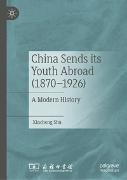
This book, as the first Chinese monograph on China's overseas study history published in 1927, draws on rich historical sources to explore a pivotal 1870 turning point: Imperial China's break with centuries of tradition to send promising young students to America, Europe and Japan, a last-ditch effort to catch up with the modern world. Authored by Shu Xincheng (1893-1960), this work carries an ambivalence that endures today: it recognizes the policy's revolutionary role in China's social progress and modernization, yet warns that entrusting Chinese youth's minds to foreign powers endangered their cultural identity. He argues overseas study should serve a strict purpose—acquiring advanced knowledge and technology to fuel China's pursuit of catching up with industrialized nations. Beyond documenting this historical initiative, the book illuminates a long-standing dilemma for China: balancing the quest for global knowledge with preserving national and cultural identity, a tension dating to Imperial times. This English translation offers scholars and graduate students valuable insights into the developmental route and underlying logic of China's historical "rejuvenation."
Xincheng Shu
(1893-1960) was a Chinese educationist who founded the academic discipline of Chinese education history and one of the key participants in China’s New Education Movement of the 1920s. Though passionate about introducing and practicing Western teaching methods, he began to notice the educational problems arising from excessive foreignization at that time. He therefore devoted himself to researching the history of modern Chinese education. Among his rich, groundbreaking scholarly achievements, Shu’s
China Sends Its Youth Abroad (1870-1926): A Modern History
is the first monograph on Chinese overseas study and laid a significant foundation for this field.
List of contents
1. A Proposal to Send Chinese Youth Abroad for Education.- 2. Sending Students to America: the Pioneers.- 3. The First Batches to Europe.- 4. The First Batches to Japan.- 5. A Second Wave of Students to the West.- 6. A Surge to Japan.- 7.America: the Boxer Indemnity Scholarship Program.- 8. France: the Work-Study Program.- 9. Japanese-funded Cultural Projects and Sponsorship from Chinese Ministries.- 10. Officials, Nobility and Women Sent for Travel and Education.- 11. Requirements, Stipulations and Sources of Finance.- 12. Administration and Regulations of Study Abroad Programs.- 13. Recruitment and Promotion: Scholarships and the Lure of Government Employment.- 14. Evolving Rationales for Sending Youth Abroad.- 15. Conclusions: Overseas Education Programs from a Historical Perspective.
About the author
Xincheng Shu
(1893-1960) was a Chinese educationist who founded the academic discipline of Chinese education history and one of the key participants in China’s New Education Movement of the 1920s. Though passionate about introducing and practicing Western teaching methods, he began to notice the educational problems arising from excessive foreignization at that time. He therefore devoted himself to researching the history of modern Chinese education. Among his rich, groundbreaking scholarly achievements, Shu’s
China Sends Its Youth Abroad (1870-1926): A Modern History
is the first monograph on Chinese overseas study and laid a significant foundation for this field.
Summary
This book, as the first Chinese monograph on China's overseas study history published in 1927, draws on rich historical sources to explore a pivotal 1870 turning point: Imperial China's break with centuries of tradition to send promising young students to America, Europe and Japan, a last-ditch effort to catch up with the modern world. Authored by Shu Xincheng (1893-1960), this work carries an ambivalence that endures today: it recognizes the policy's revolutionary role in China's social progress and modernization, yet warns that entrusting Chinese youth's minds to foreign powers endangered their cultural identity. He argues overseas study should serve a strict purpose—acquiring advanced knowledge and technology to fuel China's pursuit of catching up with industrialized nations. Beyond documenting this historical initiative, the book illuminates a long-standing dilemma for China: balancing the quest for global knowledge with preserving national and cultural identity, a tension dating to Imperial times. This English translation offers scholars and graduate students valuable insights into the developmental route and underlying logic of China's historical "rejuvenation."