Read more
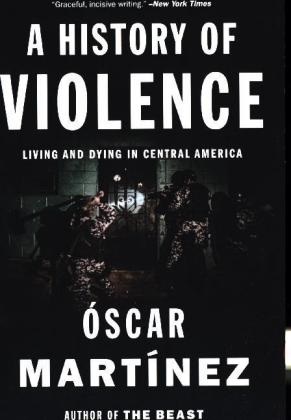
Zusatztext 43901438 Informationen zum Autor Óscar Martínez is an award-winning Salvadoran investigative journalist and writer for elfaro.net, the first online newspaper in Latin America providing in-depth coverage of migration, violence, and organized crime in Central America. In 2008, he won Mexico 's Fernando Benítez National Journalism Award; in 2009, he was awarded the Human Rights Prize at the José Simeón Cañas Central American University in El Salvador; in 2016, the Committee to Protect Journalists awarded him an International Press Freedom Award. In the same year, he was also awarded the Maria Moors Cabot Prize, which honors journalists for their outstanding coverage of the Americas. He is the author of The Beast: Riding the Rails and Dodging Narcos on the Migrant Trail (for which he was awarded the WOLA-Duke Book Award in 2014) and A History of Violence: Living and Dying in Central America . John Washington is a writer, translator, and activist. A regular contributor to The Nation magazine and The Intercept , he writes about immigration and border politics, as well as criminal justice, photography, and literature. Washington is an award winning translator, having translated Óscar Martinez, Anabel Hernández, and Sandra Rodriguez Nieto, among others. A long term volunteer with No More Deaths, he has been working with activist organizations in Mexico, California, Arizona, and New York for more than a decade. He is currently based in Brooklyn. Klappentext New paperback edition. Zusammenfassung This is a book about one of the deadliest places in the world
About the author
Óscar Martínez writes for
ElFaro.net, the first online newspaper in Latin America. His first book,
The Beast, was named one of the best books of the year by the
Economist and the
Financial Times. In 2008, Martínez won the Fernando Benítez National Journalism Prize in Mexico, and in 2009, he was awarded the Human Rights Prize at the José Simeón Cañas Central American University in El Salvador.
Report
Martínez dives into the underworld of his subjects, navigating barrios that police won't enter, spending days and nights with gang members. His methods resemble war reporting and his prose is cinematic . The collection's strength lies in his ability to write the hell out of his material. Like Katherine Boo's Behind the Beautiful Forevers and Adrian Nicole LeBlanc's Random Family, it skimps on statistics and analysis, instead relying on description alone to create a world that captures the reader and doesn't let her go. One of the stories, 'El Niño Hollywood's Death Foretold,' evokes Gabriel García Márquez's Chronicle of a Death Foretold. Like the beloved Colombian writer, Martínez pens scenes that are suspenseful, moving, and vivid. New Republic