Read more
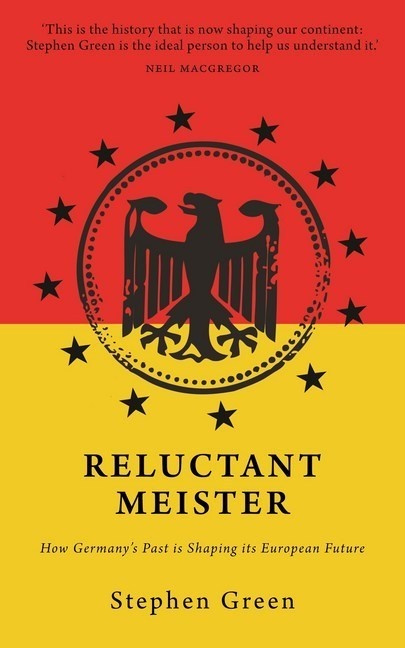
"Denk ich an Deutschland in der Nacht, so bin ich um den Schlaf gebracht" - dieses Diktum Heinrich Heines war gestern, heute kann, so Lord Green, das Land stolz auf sich sein. Der britische Ökonom und ehemalige Minister Stephen Green legt Deutschland auf den Seziertisch und analysiert, welche Begriffe und historischen Prägungen Deutsch-Sein heute ausmacht: Sind es die gemeinsame Sprache, die Traditionen und historischen Erfahrungen? Ist es das Volk, die Nation, Rasse? Welchen Einfluss hat Luther, haben Kategorien wie Pflicht, Schicksal, Vorsehung, die Rolle als Opfernation? In bester britischer Eleganz und tiefer Kenntnis deutscher Geschichte zeichnet er die reiche Kultur und die Mentalität des Landes nach und kommt zu dem Schluss: Angesichts seiner überragenden kulturellen Tradition und seiner reichen historischen Erfahrung - im Guten wie im abgrundtief Schlechten - kann kein anderes Land die Rolle übernehmen, Europa im 21. Jahrhundert den Weg zu zeigen. Ein fulminanter Essay, der uns Deutschen viel Stoff zum Nachdenken bietet!
List of contents
Preface
1. Springtime in Berlin
2. Tears for my Country
3. That Cursed Duty
4. The Awakening of Germania
5. Dem Deutschen Volke
6. Memories, Dreams and Nightmares
7. The Pact with the Devil
8. Remnants, Renewal, Redemption, Reconciliation
9. Confronting the Ghosts of Germany Past
10. The Reluctant Leader of the New Europe
11. Transfiguration and Apotheosis?
Index
About the author
Stephen Green has been a trustee of the British Museum and was minister of state for trade and investment in the British government, retiring in 2013. He currently chairs the Natural History Museum of London. His books include
The European Identity: Historical and Cultural Realities We Cannot Deny.
Summary
What part will Germany – a land where over a long history of people have adopted layered identities – play in this new Europe? Whatever the answer, the implications for Britain and the future of the wider European project will be profound.
Additional text
“Green traces the relationship between Germany and Europe over 2,000 years, from the Germanic tribes’ victory over the Romans to the Bundesrepublik’s cautious response to Ukraine. He guides us deftly though politics and poetry, theology, and economics to allow the reader to understand how Germany—the reticent giant—sees itself and its role in the Europe of tomorrow. This is the history that is now shaping our continent: Green is the ideal person to help us understand it.”
— Neil MacGregor, author of A History of the World in 100 Objects and Germany: The Memories of a Nation
“The best book of 2014 was Reluctant Meister, Stephen Green’s superb analysis of German history and culture. . . . [The German] example is a lesson to the world, for good and for ill. Anyone who wants to understand that lesson should read Stephen Green’s book.”
— Globe and Mail
“For Stephen Green, Germany’s greatest achievement has been in coming to terms with its history. ‘The process of confrontation has been neither easy nor quick,’ he says. ‘There are many who have gone to their graves without being honest to themselves about their sins of omission and commission. But for all its imperfections, this atonement has been more thoroughgoing than in most other countries where human evil has been rampant within living memory.’ It would be hard to put it better.”
— Financial Times
“A readable and personal introduction to German history—and above all its art, literature and music.”
— Times Literary Supplement
"The miracle, as Lord Green rightly points out, is that from this state of total collapse, Germany ... rose again to become a country with model democratic institutions and a highly successful economy."
— Economist