Fr. 140.00

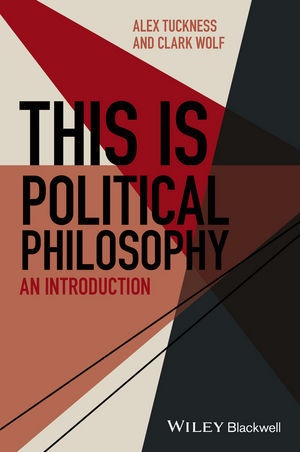
This Is Political Philosophy - An Introduction

English · Hardback

Shipping usually within 1 to 3 weeks (not available at short notice)

Description

Read more

Informationen zum Autor Alex Tuckness is a Professor at Iowa State University in the departments of Political Science and Philosophy. His research focuses on toleration, mercy, punishment, international humanitarianism, and public service ethics. He is the author of Locke and the Legislative Point of View (2002) and The Decline of Mercy in Public Life (with John Michael Parrish, 2014) as well as numerous articles. Clark Wolf is Professor at Iowa State University in the departments of Philosophy and Political Science. His research focuses on issues in the theory of justice, the philosophy of law, and bioethics. His work on law, intergenerational justice, political liberalism, intellectual property, reproductive ethics, and environmental ethics have appeared in Ethics and other major journals. Klappentext This is Political Philosophy is an accessible and well-balanced introduction to the main issues in political philosophy written by an author team from the fields of both philosophy and politics. This text connects issues at the core of political philosophy with current, live debates in policy, politics, and law and addresses different ideals of political organization, such as democracy, liberty, equality, justice, and happiness. Written with great clarity, This is Political Philosophy is accessible and engaging to those who have little or no prior knowledge of political philosophy and is supported with supplemental pedagogical and instructor material on the This Is Philosophy series site. Zusammenfassung This is Political Philosophy is an accessible and well-balanced introduction to the main issues in political philosophy written by an author team from the fields of both philosophy and politics. Inhaltsverzeichnis How to Use this Book xi Preface xiii Part I The Problem of Authority 1 1 Happiness 3 Doing Political Philosophy 4 Happiness, Welfare, and the Aims of Government 5 If You're Happy Do You Know It? 5 The Pursuit of Happiness 6 Whose happiness? 7 Can you measure pleasure? 8 Future happiness 10 Pleasure and pain 11 Is happiness fulfilling your desires? 12 Do the ends justify the means? 14 Nozick's Experience Machine 14 Happiness and virtue 15 The case of John Stuart Mill 17 Capabilities 18 Conflicts between liberty and happiness 22 Conflicts between equality and happiness 22 Happiness and Government 23 Happiness and Public Goods 24 Free Riding and Small Contributions 25 Philosophical objections 26 Should we evaluate political institutions according to their ability to make people happy? 27 References and Further Reading 28 Online Resources 30 2 Freedom 31 The Meaning of Freedom 34 The Fundamental Question 34 What Is Freedom? And Who Is Free? 35 Subjective and objective freedom 36 What counts as restraining freedom? 37 Freedom and consent 38 Republican liberty 39 Private freedom and public freedom 40 Negative and positive liberty 41 Paternalism, the Harm Principle, and Moralism 42 Paternalism 42 The harm principle 44 Moralism 48 Can (and should) we avoid moralism? 50 Conclusion 51 References and Further Reading 52 Online Resources 53 3 Equality 54 Introduction 55 How Unequal Are People in the United States? 56 Against Equality: A Politics of Procrustes? 57 Unequal Treatment and Discrimination 59 Equality as a Baseline? 61 Equality of Resources and Luck Egalitarianism 62 First objection: Disabilities 62 Second objection: Slavery of the talented 63 Third objection: Expensive tastes 63 Equality of Opportunity 64 Should w...

List of contents

How to Use this Book xi
 
Preface xiii
 
Part I The Problem of Authority 1
 
1 Happiness 3
 
Doing Political Philosophy 4
 
Happiness, Welfare, and the Aims of Government 5
 
If You're Happy Do You Know It? 5
 
The Pursuit of Happiness 6
 
Whose happiness? 7
 
Can you measure pleasure? 8
 
Future happiness 10
 
Pleasure and pain 11
 
Is happiness fulfilling your desires? 12
 
Do the ends justify the means? 14
 
Nozick's Experience Machine 14
 
Happiness and virtue 15
 
The case of John Stuart Mill 17
 
Capabilities 18
 
Conflicts between liberty and happiness 22
 
Conflicts between equality and happiness 22
 
Happiness and Government 23
 
Happiness and Public Goods 24
 
Free Riding and Small Contributions 25
 
Philosophical objections 26
 
Should we evaluate political institutions according to their ability to make people happy? 27
 
References and Further Reading 28
 
Online Resources 30
 
2 Freedom 31
 
The Meaning of Freedom 34
 
The Fundamental Question 34
 
What Is Freedom? And Who Is Free? 35
 
Subjective and objective freedom 36
 
What counts as restraining freedom? 37
 
Freedom and consent 38
 
Republican liberty 39
 
Private freedom and public freedom 40
 
Negative and positive liberty 41
 
Paternalism, the Harm Principle, and Moralism 42
 
Paternalism 42
 
The harm principle 44
 
Moralism 48
 
Can (and should) we avoid moralism? 50
 
Conclusion 51
 
References and Further Reading 52
 
Online Resources 53
 
3 Equality 54
 
Introduction 55
 
How Unequal Are People in the United States? 56
 
Against Equality: A Politics of Procrustes? 57
 
Unequal Treatment and Discrimination 59
 
Equality as a Baseline? 61
 
Equality of Resources and Luck Egalitarianism 62
 
First objection: Disabilities 62
 
Second objection: Slavery of the talented 63
 
Third objection: Expensive tastes 63
 
Equality of Opportunity 64
 
Should we level down? 66
 
What Does Equality of Opportunity Require? 67
 
Inequalities in the Real World 68
 
Inequality or Deprivation? 71
 
Is Sufficiency Enough? 73
 
Complex Equality 73
 
Race, Gender, and the Social Construction of Inequalities 75
 
Affirmative Action 76
 
Conclusion 78
 
References and Further Reading 78
 
Online Resources 80
 
4 Justice 81
 
Justice: A Brief Introduction 82
 
Rawls's Theory of Justice 83
 
The original principle and the veil of ignorance 84
 
Rawls's two principles of justice 85
 
The Libertarian Critique: Individual Liberty Restricts Redistribution 87
 
Utilitarian Critique: An Alternative Rationale for Redistribution 91
 
Feminist Critique: The Public-Private Distinction and Power Relations 93
 
Communitarian Critique: Alternatives to Individualism 96
 
Cosmopolitan Critique: The Demands of Global Justice 97
 
Conclusion 99
 
References and Further Reading 99
 
Online Resources 101
 
Part II Core Values in Political Philosophy 103
 
5 Democracy 105
 
Democracy and Political Self-Governance 107
 
What Is Democracy? 108
 
Who Gets to Participate? 108
 
Constitutional Democracy and Rights 110
 
Sources of rights 111
 
Claim and liberty rig

Customer reviews

No reviews have been written for this item yet. Write the first review and be helpful to other users when they decide on a purchase.

Write a review

Thumbs up or thumbs down? Write your own review.

For messages to CeDe.ch please use the contact form.

The input fields marked * are obligatory

By submitting this form you agree to our data privacy statement.