Read more
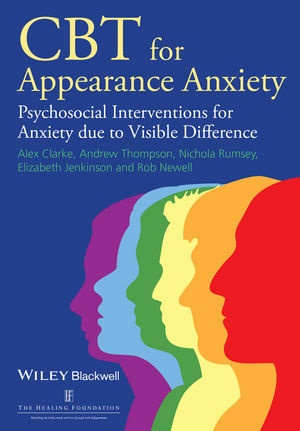
This clinical manual provides a CBT-based psychosocial intervention for use with individuals distressed about their appearance due to a disfigurement from birth, accident or illness, or those coping with another visible difference.
* Contains a wealth of case material with specific relevance to physical health conditions that affect appearance, practical advice on assessment, and session-by-session guidance for addressing common issues
* Written by leading academics and clinicians working in the management of disfigurement and rational appearance anxiety
* Uses a flexible stepped-care model that allows for use by experienced CBT practitioners as well those wishing to deliver a more basic psychological intervention
* Identifies the psychological factors involved in appearance anxiety while also addressing the practical concerns of living with a visible difference, such as managing the reactions of others
List of contents
Foreword xv
Preface xvi
1 Background, Clinical Problems, Common Presentation and Treatment Considerations 1
Physical and Treatment-Related Factors 3
Socio-Cultural Factors 3
Psychological Factors and Processes 3
Body Image Disturbance 3
Clinical Problems and Presentation 4
Common Features in Referral 8
Visibility of Condition 8
Shame 9
The Meaning of Visible Difference 9
The Experience of Loss 9
Physiological Responses 10
Culture 10
Gender 11
Age 11
Expectations of Treatment 11
Association of Physical Change with Psychological Outcome 12
Fix It Solutions 12
Treatment Considerations 13
2 A Stepped-Care Approach to Psychosocial Intervention 15
The PLISSIT Model 16
Level 1: Permission 16
Level 2: Limited Information 18
Level 3: Specific Suggestions 18
Level 4: Intensive Treatment 19
3 Models and Frameworks: Expanding the Conceptual Approach to Managing Appearance-Related Distress 21
Explanation for Choice of Therapeutic Approach 22
Behavioural Approaches: Fear Avoidance and Social Skills Training 22
Building an Evidence Base 25
Cognitive Approaches: Comparison of Appearance Anxiety and Social Phobia 26
Use of Safety Behaviours 28
Anticipatory and Post-Event Processing 29
The Role of Assumptions and Schema in Appearance Anxiety 32
Summary 33
Deriving a Cognitive Behavioural Treatment Model: Identifying Factors and Processes
Contributing to Successful Adjustment to Disfiguring Conditions 34
Working Framework of Adjustment to Disfiguring Conditions 34
The ARC Framework of Adjustment to Disfiguring Conditions 34
Predisposing Factors 35
Intervening Cognitive Processing 36
Socio-Cognitive Processing 37
Outcomes 41
The ARC Research Programme Findings 43
The Studies 43
Summary of Findings 43
Key Messages from the Research Programme 45
Implication of These Findings for Design of Interventions 45
Summary 47
4 Clinical Assessment 48
Eliciting the Problem 49
Summarizing 51
Motivation and Self-Efficacy 52
Readiness for Change 53
Measurement Tools 55
Generic Measures of Psychological Constructs (as used in the ARC Study) 55
Measures of Psychological Constructs Specifically Related to Appearance 57
Measures of Body Image 58
Measures of Psychological Constructs Specifically Related to a Condition Type 58
Body Dysmorphic Disorder (BDD) 59
Core Clinical Dataset 59
Regular Subjective Measures of Frequency for Events, Thoughts and Feelings 60
Goal Setting 61
The SMART Acronym 61
Challenges in Treatment for Appearance-Related Problems 62
Introducing a Biopsychosocial Model 62
Treatment 'buy-in' 63
5 Social Skills and Coping Strategies 64
Staring, Questions, Comments and Loss of Anonymity 66
Making the Most of Appearance 66
Developing a Positive Approach to Visible Difference 67
Posture, Smiling and Eye Contact 67
Developing Verbal Skills 68
Learning to Have a Conversation 68
Answering Questions About Appearance 68
Managing Staring 70
Putting it into Practice 71
Taking the Initiative in Social Encounters 72
Managing Anger and Developing Asserti
About the author
Alex Clarke is a clinical and health psychologist specializing in disfigurement and altered appearance.
Andrew R. Thompson is Reader in Clinical Psychology at the University of Sheffield NHS Clinical Psychology Doctoral Training Programme.
Elizabeth Jenkinson is a registered Practitioner Health Psychologist, Chartered Psychologist and Senior Lecturer in Health Psychology at the University of the West of England.
Nichola Rumsey is Vocational Training Charitable TrustProfessor of Appearance Research at University of the West of England and is Co-Director of the Centre for Appearance Research.
Rob Newell is Emeritus Professor of Nursing Research at the University of Bradford.
Summary
This clinical manual provides a stepped-care CBT-based psychosocial intervention for use with individuals anxious about their appearance due to a disfigurement or another visible difference. It describes a detailed clinical intervention that includes practical advice on assessment and session-by-session guidance for addressing common issues.
Report
"This book is perhaps most useful for those working with individuals where appearance anxiety is the result of an observable visible disfigurements as this is clearly the main focus of the book." ( Behavioral and Cognitive Psychotherapy , 1 May 2014)