Read more
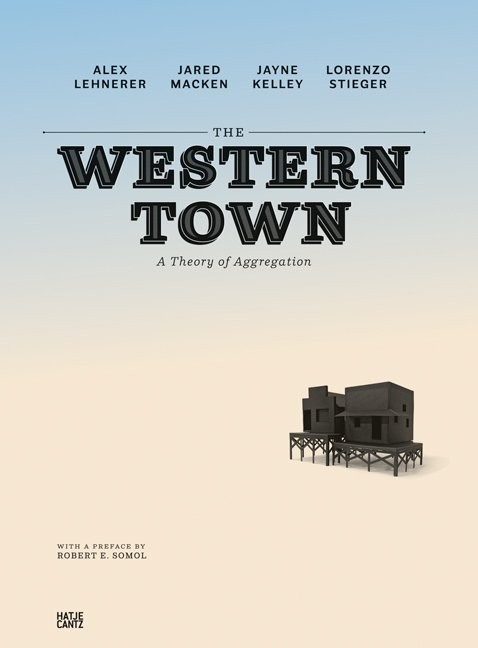
25 Städte des Wilden Westens agieren als Protagonisten dieses Buches darunter berühmte Orte wie El Paso, Rio Bravo und Lahood nicht als Klischee, sondern als gebaute Wirklichkeit. Die detaillierten Pläne bieten einen bisher nicht vorhandenen Überblick über räumliche Zusammenhänge und bilden die Grundlage für eine eingehende architektonische und städtebauliche Untersuchung.
Der kulturelle Fortbestand der "Stadt ohne Zukunft" im amerikanischen Westen zwischen 1860 und 1900 wird bis heute durch die Filme gesichert, aus denen sie entspringt.
Die städtebauliche Analyse versucht nicht, die Westernstadt nostalgisch zu reaktivieren, sondern benutzt diese als Vehikel, um zeitgenössische Phänomene hinsichtlich Infrastruktur, der Verbindung von Architektur und Stadt und der Rolle von Stadtplanung kritisch zu hinterfragen erst nachdem der Stranger die Bewohner Lagos dazu gebracht hatte, die ganze Stadt rot zu streichen, erklärte er sich bereit, sie vor den nahenden Gangstern zu beschützen.
Mit Planzeichnungen zu Städten aus den folgenden Filmen (Auswahl):
A Fistful of Dollars (1964), Buchanan Rides Alone (1958), For a Few Dollars More (1965), Fort Apache (1948), Hang Em High (1968), High Noon (1952), High Plains Drifter (1973), Major Dundee (1965), McCabe and Mrs Miller (1971), Ride the High Country (1962), Rio Bravo (1959), Rio Grande (1950), Stagecoach (1939), The Alamo (1960), The Wild Bunch (1969).
Summary
25 towns in the Wild West are the protagonists in this book, including famous places like El Paso, Rio Bravo, and Lahood—not as clichés, but as constructed reality. Detailed maps offer a previously non-existent overview of spatial contexts and form the basis for an intensive exploration of architecture and urban planning.
The culture of the “city without a future” in the American West between 1860 and 1900 has been maintained in the films out of which it arises.
This architectural analysis does not attempt to nostalgically reactivate the Western town, but uses it instead as a vehicle to critique contemporary phenomena in terms of infrastructure, the link between architecture and city, and the role of urban planning—after the Stranger persuaded the residents of Lago to paint the whole town red, he declared himself ready to protect it from the approaching gunmen.
With maps of the towns from the following films (selected):
A Fistful of Dollars (1964), Buchanan Rides Alone (1958), For a Few Dollars More (1965), Fort Apache (1948), Hang ‘Em High (1968), High Noon (1952), High Plains Drifter (1973), Major Dundee (1965), McCabe and Mrs. Miller (1971), Ride the High Country (1962), Rio Bravo (1959), Rio Grande (1950), Stagecoach (1939), The Alamo (1960), The Wild Bunch (1969).