

Share
Fr. 130.00
Jeremy W Dale, Jeremy W. Dale, Jeremy W. (University of Surrey Dale, JW Dale, DALE JEREMY W, Dale Jeremy W.
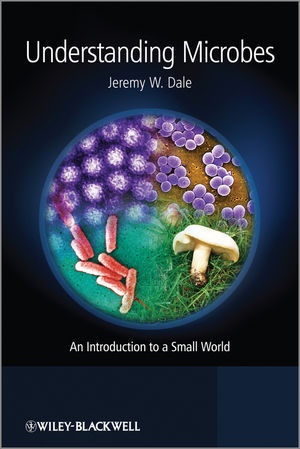
Understanding Microbes - An Introduction to a Small World
English · Hardback
Shipping usually within 1 to 3 weeks (not available at short notice)
Description
Informationen zum Autor Jeremy W. Dale, Professor Emeritus, Faculty of Health and Medical Sciences, University of Surrey, Guildford, UK. Klappentext We can't see them, but microbes are the dominant form of life on Earth. They make up half of the world's biomass. They were here billions of years before we were, and they will be here after we are gone. Without their activity, life as we know it would be impossible. Even within our own bodies, there are ten times as many bacterial cells as human cells. Understanding Microbes provides a clear, accessible introduction to this world of microbes.As well as looking at a selection of infectious diseases, including how they are prevented and treated, the book explores the importance of microbes in the environment, in the production and preservation of food, and their applications in biotechnology.This lively and engaging book provides the basics of microbiology, in a contemporary context. It will be equally useful for students across the biological, environmental and health sciences, and for the curious reader wanting to learn more about this fascinating subject.* A highly-readable, concise introduction to the basics of microbiology placed in the context of the very latest developments in molecular biology and their impact on the microbial world.* Numerous real-world examples range from how cows digest grass to the role of microbes in cancer and the impact of climate change* Well-illustrated in full colour throughout.* Written by an Author with a proven track record in teaching, writing and research. "The author does not sacrifice accuracy when clearly and concisely presenting the latest developments in molecular biology, food microbiology, microbial evolution, biotechnology, etc. Summing Up: Highly recommended. Lower- and upper-division undergraduates and general readers." ( Choice , 1 August 2013) Zusammenfassung We can't see them, but microbes are the dominant form of life on Earth. They make up half of the world's biomass. They were here billions of years before we were, and they will be here after we are gone. Without their activity, life as we know it would be impossible. This book provides an accessible introduction to the world of microbes. Inhaltsverzeichnis Preface ix 1 The Background 1 1.1 Meet the cast 1 1.2 Food for microbes 13 1.3 Basic molecular biology 15 2 Microbes and Health 19 2.1 Microbes in the body 19 2.2 Defences against infection 26 3 Microbial Infections 33 3.1 Diseases of the past 33 3.2 Diseases of the present 45 3.3 Opportunist infections 50 3.4 'New' diseases 52 3.5 Animal diseases 58 4 Prevention and Cure 63 4.1 Epidemics 63 4.2 Antibiotics 72 5 Microbes and Food - Friend and Foe 83 5.1 Food spoilage 83 5.2 Food preservation 86 5.3 Fermented foods 88 5.4 Food poisoning and food-borne diseases 91 6 Microbes and the Environment 97 6.1 Water 100 6.2 Soil 107 6.3 Plants 108 6.4 Biodegradation 112 6.5 Extreme environments 116 7 Microbial Evolution - Genes and Genomes 119 7.1 Evolution and inheritance 119 7.2 Horizontal gene transfer 122 7.3 Variation in gene expression 128 7.4 Gene cloning and sequencing 131 8 Microbial Development and Communication 141 8.1 Cell division 141 8.2 Motility 145 8.3 Biofilms 146 8.4 Quorum sensing 150 8.5 Bacterial sporulation 152 8.6 Multicellular behaviour 153 8.7 Biological clocks 156 9 Microbial Biotechnology - Practical Uses of Microbes 159 9.1 Amino acids 160 9.2 Biofuels 161 9.3 Microbes and metals 163 9.4 Oil spills 166 9.5 Sewage and water treatment 168 9.6 Antibiotics and other medi...
List of contents
Preface ix
1 The Background 1
1.1 Meet the cast 1
1.2 Food for microbes 13
1.3 Basic molecular biology 15
2 Microbes and Health 19
2.1 Microbes in the body 19
2.2 Defences against infection 26
3 Microbial Infections 33
3.1 Diseases of the past 33
3.2 Diseases of the present 45
3.3 Opportunist infections 50
3.4 'New' diseases 52
3.5 Animal diseases 58
4 Prevention and Cure 63
4.1 Epidemics 63
4.2 Antibiotics 72
5 Microbes and Food - Friend and Foe 83
5.1 Food spoilage 83
5.2 Food preservation 86
5.3 Fermented foods 88
5.4 Food poisoning and food-borne diseases 91
6 Microbes and the Environment 97
6.1 Water 100
6.2 Soil 107
6.3 Plants 108
6.4 Biodegradation 112
6.5 Extreme environments 116
7 Microbial Evolution - Genes and Genomes 119
7.1 Evolution and inheritance 119
7.2 Horizontal gene transfer 122
7.3 Variation in gene expression 128
7.4 Gene cloning and sequencing 131
8 Microbial Development and Communication 141
8.1 Cell division 141
8.2 Motility 145
8.3 Biofilms 146
8.4 Quorum sensing 150
8.5 Bacterial sporulation 152
8.6 Multicellular behaviour 153
8.7 Biological clocks 156
9 Microbial Biotechnology - Practical Uses of Microbes 159
9.1 Amino acids 160
9.2 Biofuels 161
9.3 Microbes and metals 163
9.4 Oil spills 166
9.5 Sewage and water treatment 168
9.6 Antibiotics and other medical products 170
9.7 Vaccines 172
9.8 Proteins 177
10 Controversies and Speculations 181
10.1 Evolution and the origins of life 181
10.2 Is there life elsewhere in the universe? 186
10.3 Creating new life 187
10.4 Is it safe? Assessment of risk, risk versus benefit 187
10.5 Superbugs and killer viruses 192
10.6 Microbes and climate change 193
10.7 Microbes and non-infectious diseases 195
10.8 Epilogue 200
Appendix 1: Explanations 201
A1.1 Monomers and polymers 201
A1.1.1 Sugars and polysaccharides 201
A1.1.2 Amino acids and proteins 202
A1.1.3 Nucleic acids 204
A1.1.4 Fats and lipids 205
A1.2 Enzymes and catalysis 206
A1.2.1 Oxidation and reduction, respiration and photosynthesis 206
A1.2.2 Hydrolysis 208
A1.2.3 Polymerization 208
Appendix 2: Abbreviations and Terminology 211
A2.1 Abbreviations and jargon 211
A2.2 Numbers 213
A2.3 Units 214
Appendix 3: Further Reading 215
Subject Index 217
Index of Names 229
Report
"The book encourages a better understanding of the microbial word with many practical implications in biotechnological phenomena that will be the foundation of the next years. Also, the book gives interesting information about the lessons from nature and presents excellent and suggestive illustrations." (Environmental Engineering and Management Journal, 1 February 2014)
CHOICE 2014 Outstanding Academic Title
"The author does not sacrifice accuracy when clearly and concisely presenting the latest developments in molecular biology, food microbiology, microbial evolution, biotechnology, etc. Summing Up: Highly recommended. Lower- and upper-division undergraduates and general readers." (Choice, 1 August 2013)
Product details
| Authors | Jeremy W Dale, Jeremy W. Dale, Jeremy W. (University of Surrey Dale, JW Dale, DALE JEREMY W, Dale Jeremy W. |
| Publisher | Wiley, John and Sons Ltd |
| Languages | English |
| Product format | Hardback |
| Released | 11.01.2013 |
| EAN | 9781119978800 |
| ISBN | 978-1-119-97880-0 |
| No. of pages | 240 |
| Subjects |
Natural sciences, medicine, IT, technology
> Biology
> General, dictionaries
Mikrobiologie, Life Sciences, Biowissenschaften, Applied Microbiology, Angewandte Mikrobiologie, Mikrobiologie u. Virologie, Microbiology & Virology |
Customer reviews
No reviews have been written for this item yet. Write the first review and be helpful to other users when they decide on a purchase.
Write a review
Thumbs up or thumbs down? Write your own review.