Ulteriori informazioni
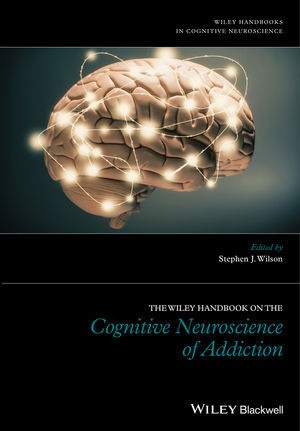
This volume provides a thorough and up-to-date synthesis of the expansive and highly influential literature from the last 30 years by bringing together contributions from leading authorities in the field, with emphasis placed on the most commonly investigated drugs of abuse.* Emphasises the most commonly investigated drugs of abuse, including alcohol, cocaine, nicotine, and opiates* Brings together the work of the leading authorities in all major areas of the field* Provides novel coverage of cutting-edge methods for using cognitive neuroscience to advance the treatment of addiction, including real-time neurofeedback and brain stimulation methods* Includes new material on emerging themes and future directions in the use of cognitive neuroscience to advance addiction science
Info autore
Stephen Wilson is currently an Assistant Professor of Psychology at the Pennsylvania State University, USA where he is affiliated with the Center for Brain, Behavior, and Cognition. Dr. Wilson's primary area of research interest is addictive behavior, with a focus on cigarette smoking. He uses interdisciplinary approach that integrates theory and methods from traditional behavioral addiction research with those derived from the affective, cognitive and social neurosciences. His research has been supported by the National Institute on Drug Abuse, the National Cancer Institute, and the Eunice Kennedy Shriver National Institute of Child Health and Human Development.
Riassunto
This volume provides a thorough and up-to-date synthesis of the expansive and highly influential literature from the last 30 years by bringing together contributions from leading authorities in the field, with emphasis placed on the most commonly investigated drugs of abuse.
* Emphasises the most commonly investigated drugs of abuse, including alcohol, cocaine, nicotine, and opiates
* Brings together the work of the leading authorities in all major areas of the field
* Provides novel coverage of cutting-edge methods for using cognitive neuroscience to advance the treatment of addiction, including real-time neurofeedback and brain stimulation methods
* Includes new material on emerging themes and future directions in the use of cognitive neuroscience to advance addiction science
Relazione
"The Wiley Handbook on the Cognitive Neuroscience of Addiction Approaches provides a comprehensive and in-depth scholarly review of emerging research in the cognitive neuroscience of addiction. It is a must read for students, established scientists, and practitioners who are interested in applying cognitive neuroscience to understand addiction and its treatment."Caryn Lerman, Ph.D. Mary W. Calkins Professor of Psychiatry, Perelman School of Medicine, University of Pennsylvania"This is an authoritative and encyclopaedic account which will be an invaluable resource for researchers in the field."Robert West, Professor Of Health Psychology, University College London